Can Trump do taxation and tariffing without a clear mandate from Congress?
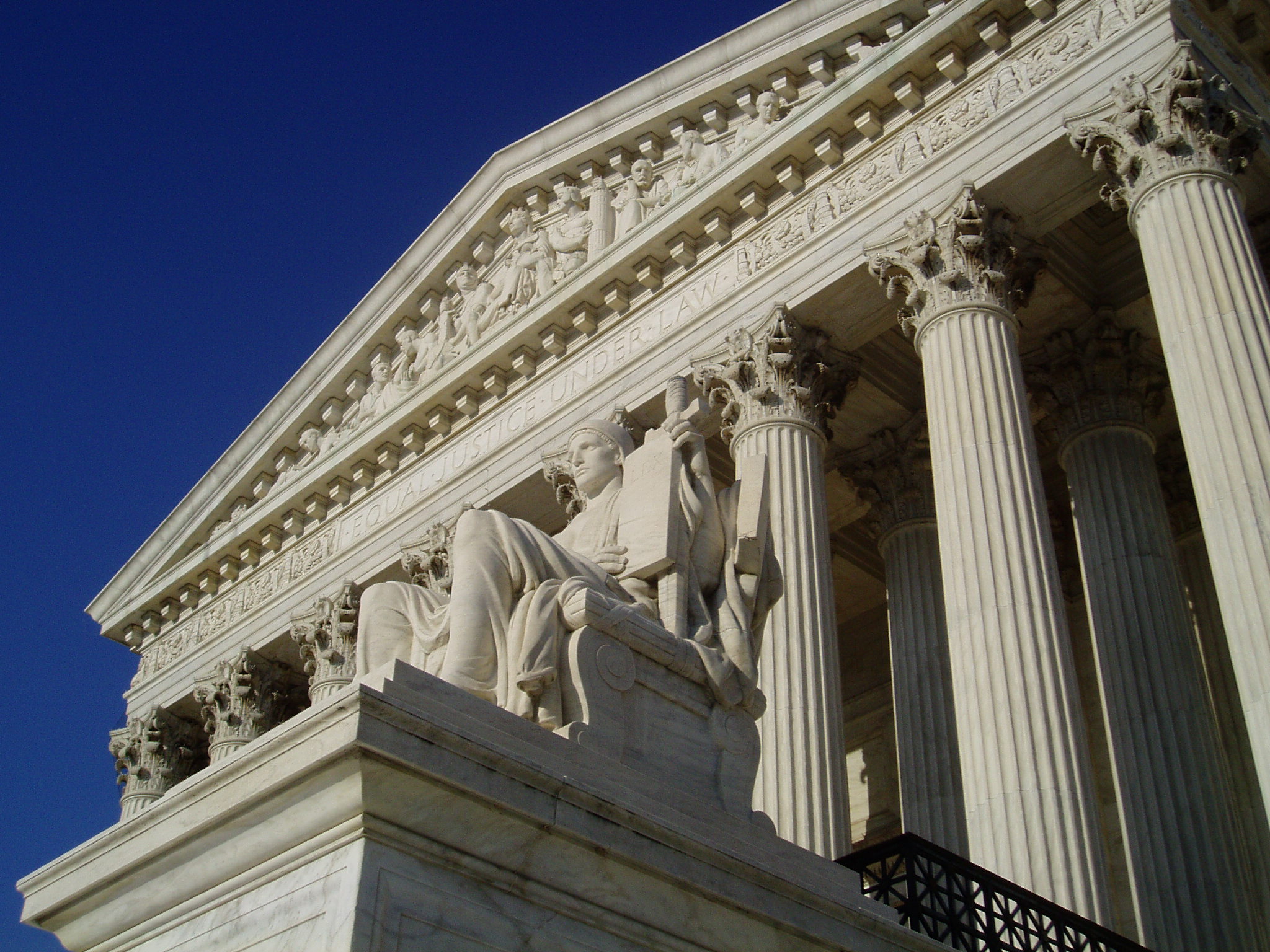
Cover image: The U.S. Supreme Court. Photo via Wikimedia Commons.
Can Trump do taxation and tariffing without a clear mandate from Congress?
The Supreme Court will decide — here are the arguments
Why this ruling is huge. It will decide whether a president can unilaterally levy import taxes under an emergency statute. The answer will set the ground rules for U.S. trade policy and executive power for years, reshaping prices, supply chains, and America’s leverage in negotiations abroad. Timing: Expect a decision in 4–6 weeks — likely mid to late December 2025. If the tariffs are struck down, reimbursements could follow: importers may seek refunds of duties already paid, and savings could flow through to American customers, though not automatically and not always dollar‑for‑dollar.
In one sentence: Can a president use an emergency law to add import taxes (tariffs) without Congress clearly saying he can?
What’s this case about?
The White House used IEEPA - a 1977 emergency statute - to place broad tariffs on imports. Businesses and states sued, saying tariffs are taxes, and only Congress can authorize them. The Supreme Court just heard the case.
Why it matters
- It could decide who sets trade taxes in a crisis: Congress or the President.
- The ruling may affect trillions of dollars in trade and prices paid by consumers.
- It could reset the balance of power between the branches for years.
The law in one minute (IEEPA)
IEEPA lets a president, after declaring a national emergency, regulate and even block certain foreign‑related transactions. The text lists many verbs (investigate, block, regulate, prohibit) but never says tariff, duty, tax, or impost. That missing word is the heart of the fight.
The two sides, simply put
The government: “To regulate importation includes setting a price at the border. If we can block goods in an emergency, we can also charge for entry. This is a foreign‑affairs tool, not a domestic tax scheme, and the President needs flexibility.”
The challengers: “Tariffs are taxes. The Constitution gives the power of the purse to Congress. When Congress wants to allow tariffs, it says so explicitly in other trade laws. IEEPA’s silence means no.”
Two big legal hurdles for the White House
1) The Major Questions Doctrine When a policy has vast economic and political significance, the Court looks for clear permission from Congress. Rewriting the tariff rules for “any product, any country, any amount, any time” is major. If Congress didn’t say it plainly, the President can’t infer it from a vague verb.
2) The Nondelegation Concern Congress can’t hand the President a blank check. If IEEPA really lets presidents set tariffs at will, some justices worry it becomes a one‑way ratchet: once power moves to the executive, Congress can’t easily take it back (any fix must beat a veto).
Is this foreign policy or a tax?
The government says tariffs here are outward‑facing regulation tied to diplomacy and security. Critics answer: whatever the aim, the money comes from Americans and lands in the U.S. Treasury. If it looks and works like a tax, courts should treat it like one.
What the justices zeroed in on
- The text: Several justices asked the same question different ways: Where is the word tariff in IEEPA?
- Scale and fit: Does a decades‑old emergency law really allow a global, open‑ended tariff regime? And do the tariffs fit the cited emergencies (e.g., fentanyl)?
- Method: Conservatives who favor textualism seemed reluctant to stretch a word like “regulate” to mean “tax,” while liberals stressed that Congress knows how to authorize duties and didn’t here.
What the Court could do
- Say IEEPA doesn’t cover tariffs at all. Other emergency tools remain, but not emergency taxes.
- Allow narrow, time‑boxed tariffs tightly tied to a specific emergency, while blocking global duties.
- Side with the government, treating these as foreign‑affairs regulation and limiting the “major questions” rule in that setting.
- Send it back for better findings and a tighter match between the emergency and the specific products/countries.
If the Court says no: why it matters
- Power shifts back to Congress. Presidents would need explicit, on‑the‑record authorization to use tariffs in emergencies; expect bills that spell out scope, sunsets, and safeguards.
- Immediate policy changes. Broad emergency tariffs would be lifted or blocked; the administration would pivot to narrower tools (targeted sanctions, entity listings, export controls, procurement and licensing restrictions).
- Money and markets. Potential refund fights and compliance unwinds; prices and supply chains would re-adjust; U.S. leverage in talks may rely more on coalitions than unilateral tariff threats.
- Legal doctrine. A denial would fortify major‑questions reasoning and signal limits on delegations in the trade arena, narrowing how far IEEPA can reach in future crises.
What to watch next
Expect a fast opinion. No matter who wins, pressure will shift to Congress: either to draw clear limits (sunsets, carve‑outs, reporting) or to pass a plain authorization if it wants presidents to wield tariff power in emergencies.
TL;DR
- The case asks whether an emergency law that lets a president regulate imports also lets him tax them.
- Several justices signaled: if Congress means tariffs, it needs to say “tariffs.”
- The Major Questions and Nondelegation principles make a broad win for the White House hard.
- A narrow ruling is likely: keep IEEPA’s tools, but not a blank check for emergency tariffs.